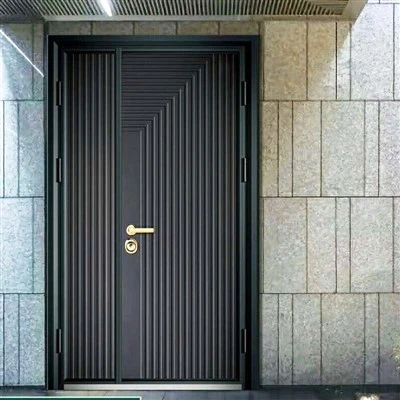
As a leading supplier of Compound Yard Aluminum Courtyard Doors, I'm often asked about the fire-resistant properties of our products. This question is crucial, considering the importance of safety in residential and commercial settings. In this blog, I'll delve into the science behind the fire resistance of compound yard aluminum courtyard doors, exploring the materials, construction, and testing that contribute to their performance.
Understanding Fire Resistance
Before we discuss the fire resistance of aluminum courtyard doors, it's important to understand what fire resistance means. Fire resistance is the ability of a material or structure to withstand fire and heat for a specified period. This is measured in minutes and is determined by testing the material according to national and international standards. A fire-resistant door can prevent the spread of fire and smoke, providing valuable time for evacuation and firefighting.
The Properties of Aluminum
Aluminum is a popular choice for courtyard doors due to its many beneficial properties. It is lightweight, corrosion-resistant, and has excellent strength-to-weight ratio. But how does it fare in terms of fire resistance? Aluminum has a relatively low melting point of around 660°C (1220°F). However, it forms a protective oxide layer when exposed to high temperatures, which can slow down the melting process. This oxide layer acts as a barrier, reducing the transfer of heat and protecting the underlying metal.
Construction of Compound Yard Aluminum Courtyard Doors
Our compound yard aluminum courtyard doors are designed with fire safety in mind. The construction of these doors involves multiple layers and components that work together to enhance fire resistance. The frame of the door is typically made of high-quality aluminum profiles, which are engineered to provide structural integrity. Inside the frame, we use insulation materials that have good fire-resistant properties. These insulation materials can help to reduce the heat transfer through the door, keeping the temperature on the other side lower.
Fire Testing and Certification
To ensure the fire resistance of our compound yard aluminum courtyard doors, we subject them to rigorous fire testing. These tests are conducted in accredited laboratories according to established standards such as ASTM E119 or UL 10C in the United States, or BS 476 in the United Kingdom. During the test, the door is exposed to a controlled fire for a specified period, and its performance is evaluated based on criteria such as flame penetration, heat transfer, and structural integrity. If the door meets the requirements of the standard, it is awarded a fire resistance rating, which indicates the length of time it can withstand fire.
Real-World Applications
In real-world applications, our fire-resistant compound yard aluminum courtyard doors can provide significant safety benefits. For example, in residential settings, they can prevent the spread of fire from the outdoor courtyard to the interior of the house, giving residents more time to escape. In commercial buildings, such as hotels, offices, and shopping malls, these doors can help to contain fires and protect people and property. They are also an important part of the overall fire safety strategy, which may include fire alarms, sprinkler systems, and emergency exits.
Comparing with Other Door Materials
When comparing aluminum courtyard doors with other door materials, such as wood or steel, in terms of fire resistance, aluminum has some unique advantages. Wood is a combustible material and can easily catch fire and burn, spreading the fire rapidly. While steel has a high melting point, it can lose its strength and integrity when exposed to high temperatures for an extended period. In contrast, aluminum forms a protective oxide layer, which can help to maintain its structural integrity and slow down the spread of fire.
Specific Product Features
Our range of Compound Yard Aluminum Courtyard Doors includes various styles and finishes to meet different customer needs. For instance, the Retro Wood Color Aluminum Courtyard Door combines the aesthetic appeal of wood with the fire-resistant properties of aluminum. This door is designed to look like traditional wood doors, but it offers better fire safety and durability.
Another popular option is the Golden Flower Aluminum Courtyard Door, which features a unique and decorative design. Despite its beautiful appearance, this door has been tested and certified for fire resistance, ensuring that it meets the highest safety standards.


Maintaining Fire Resistance
To maintain the fire resistance of our compound yard aluminum courtyard doors, it's important to follow proper maintenance procedures. Regular cleaning and inspection can help to ensure that the door is in good condition and that all components are functioning properly. Any damage or wear should be repaired promptly to prevent the compromise of the door's fire-resistant properties.
Conclusion
In conclusion, compound yard aluminum courtyard doors can be highly fire-resistant when properly designed, constructed, and tested. The properties of aluminum, combined with the use of insulation materials and appropriate construction techniques, contribute to their ability to withstand fire and heat. Our Compound Yard Aluminum Courtyard Door products have been tested and certified to meet strict fire safety standards, providing peace of mind for our customers.
If you're interested in purchasing fire-resistant compound yard aluminum courtyard doors for your residential or commercial property, we encourage you to contact us for a consultation. Our team of experts can help you choose the right door for your specific needs and provide you with detailed information about our products and services. Let's work together to enhance the safety and beauty of your property.
References
- ASTM E119 - Standard Test Methods for Fire Tests of Building Construction and Materials
- UL 10C - Standard for Fire Tests of Door Assemblies
- BS 476 - Fire tests on building materials and structures