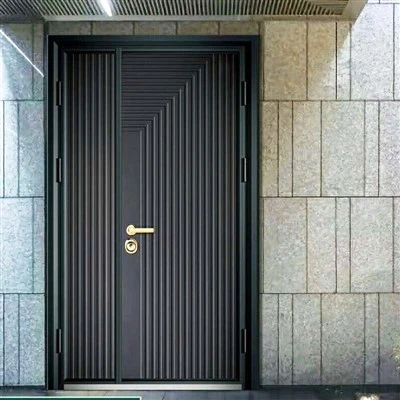
Are security steel copper doors resistant to rust?
As a supplier of security steel copper doors, I often encounter inquiries from customers regarding the rust - resistance of these doors. It's a crucial concern, as rust not only affects the aesthetic appeal of the door but also compromises its structural integrity and security features over time. In this blog, I'll delve into the science behind the rust - resistance of security steel copper doors, examining the properties of steel and copper, the manufacturing processes, and the factors that can influence their long - term performance.
The Properties of Steel and Copper
Let's first understand the basic characteristics of steel and copper, the two primary materials used in security steel copper doors.
Steel is an alloy primarily composed of iron and carbon, with small amounts of other elements such as manganese, silicon, and sulfur. Iron is highly susceptible to rust, which is a form of corrosion that occurs when iron reacts with oxygen and water in the presence of an electrolyte. The chemical reaction can be represented as follows: (4Fe + 3O_{2}+6H_{2}O = 4Fe(OH){3}), and (Fe(OH){3}) further decomposes to form (Fe_{2}O_{3}\cdot nH_{2}O), which is the familiar rust.
On the other hand, copper is a non - ferrous metal with excellent corrosion resistance. Copper forms a thin, protective layer of copper oxide ((CuO)) on its surface when exposed to air. This oxide layer acts as a barrier, preventing further oxidation and corrosion. Over time, in the presence of moisture and carbon dioxide in the air, copper can develop a greenish - blue patina, which is mainly composed of copper carbonate and copper hydroxide. This patina is not only visually appealing but also provides additional protection against corrosion.
Manufacturing Processes for Rust - Resistance
In the production of security steel copper doors, manufacturers take several steps to enhance their rust - resistance.
One common method is galvanization. Galvanized steel is steel that has been coated with a layer of zinc. Zinc is more reactive than iron, so when the zinc - coated steel is exposed to the environment, the zinc corrodes first, sacrificing itself to protect the underlying iron. The zinc forms a protective layer of zinc oxide and zinc hydroxide, which slows down the corrosion process. This sacrificial protection mechanism significantly extends the lifespan of the steel in the door.
Another approach is the application of protective coatings. Manufacturers often use paint, powder coating, or other specialized coatings on the surface of the steel and copper parts of the door. These coatings act as a physical barrier, preventing oxygen, water, and other corrosive substances from coming into contact with the metal. High - quality coatings are designed to be durable, weather - resistant, and scratch - resistant, ensuring long - term protection.
In addition, during the manufacturing process, the steel and copper components are carefully joined and sealed to prevent moisture from penetrating into the interior of the door. Proper sealing also helps to maintain the integrity of the protective coatings and prevents the formation of crevices where moisture can accumulate and accelerate corrosion.
Factors Affecting Rust - Resistance
While security steel copper doors are generally designed to be rust - resistant, several factors can influence their performance in real - world conditions.
Environmental Conditions: The climate in which the door is installed plays a significant role. Doors installed in coastal areas are exposed to saltwater spray, which is highly corrosive. The salt in the air can accelerate the corrosion process, even on galvanized or coated steel. Similarly, areas with high humidity, heavy rainfall, or industrial pollution can also increase the risk of rust. In contrast, doors installed in dry, arid climates are less likely to experience rust problems.
Maintenance: Regular maintenance is essential for ensuring the long - term rust - resistance of security steel copper doors. This includes cleaning the door periodically to remove dirt, dust, and other contaminants that can trap moisture and promote corrosion. Inspecting the door for any signs of damage to the protective coatings, such as scratches or chips, and promptly repairing them can also prevent rust from starting.
Quality of Materials and Manufacturing: The quality of the steel, copper, and other materials used in the door, as well as the manufacturing processes, can have a significant impact on rust - resistance. High - quality materials are more likely to have better corrosion - resistant properties, and proper manufacturing techniques ensure that the door is well - protected. For example, doors with a thicker zinc coating or a more durable powder coating are generally more resistant to rust.
Our Product Range and Rust - Resistance
At our company, we offer a wide range of security steel copper doors, each designed with rust - resistance in mind. Our with Decorative Window Exterior Steel Copper doors feature a combination of steel and copper, with advanced galvanization and coating technologies to ensure long - term protection against rust. The decorative windows not only add an aesthetic touch but are also sealed to prevent moisture ingress.
Our Security Steel Alloy Copper Metal Door is made from high - quality steel alloy and copper, providing excellent strength and corrosion resistance. The door is designed to withstand harsh environmental conditions, making it suitable for a variety of applications.
The Golden Line Steel Wood Copper Door combines the elegance of wood with the durability of steel and copper. The steel and copper components are treated with anti - rust coatings, and the wood is also protected to ensure the overall longevity of the door.
Conclusion and Call to Action
In conclusion, security steel copper doors can be highly resistant to rust when properly designed, manufactured, and maintained. The combination of the corrosion - resistant properties of copper, the protective measures applied to steel, and the careful manufacturing processes make these doors a reliable choice for long - term use.


However, it's important to consider the environmental conditions and perform regular maintenance to ensure the best performance. If you're in the market for a high - quality, rust - resistant security steel copper door, we invite you to contact us for more information. Our team of experts can help you choose the right door for your specific needs and provide you with detailed information about our products and services. We look forward to discussing your requirements and assisting you in making the best decision for your property.
References
- Callister, W. D., & Rethwisch, D. G. (2011). Materials Science and Engineering: An Introduction. Wiley.
- Uhlig, H. H., & Revie, R. W. (1985). Corrosion and Corrosion Control: An Introduction to Corrosion Science and Engineering. Wiley.