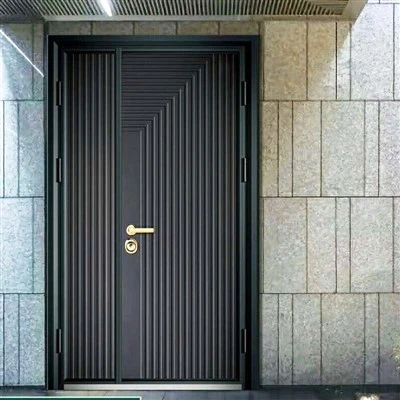
Hey there! As a supplier of Aluminum Art Splicing Steel Glass Gates, I often get asked about the regulations for installing these beauties. So, let's dive right in and explore this topic.
First off, building codes play a huge role in gate installation. Different regions have their own sets of rules, and it's super important to follow them. These codes are in place to ensure safety, durability, and compliance with local standards. For example, in some areas, there are specific requirements for the height of the gate. Usually, a residential gate needs to be a certain height to provide security and privacy. If you install a gate that's too short, it might not meet the safety standards set by the local authorities.
Another aspect is the structural integrity. The gate has to be able to withstand normal wear and tear, as well as external forces like strong winds or impacts. The aluminum and steel parts should be properly spliced together to ensure a stable structure. The glass used in the gate also needs to meet safety standards. Safety glass, such as tempered glass, is often required because it's less likely to shatter into sharp pieces if broken. This reduces the risk of injury, especially if there are kids or pets around.
When it comes to the installation process, there are regulations regarding the mounting and alignment of the gate. The gate needs to be properly aligned so that it opens and closes smoothly. It should also be securely mounted to the posts or the wall. Improper mounting can lead to the gate sagging or not closing properly, which can compromise its security and functionality.
Now, let's talk about the location of the gate. If the gate is installed near a public sidewalk or a road, there might be additional regulations. For example, it should not obstruct the sidewalk or pose a hazard to pedestrians or vehicles. The gate should also be installed in a way that it doesn't interfere with traffic flow.
In some areas, there are also regulations related to the appearance of the gate. Homeowners' associations or local historical preservation districts might have rules about the style, color, and design of the gate. You might need to get approval from these organizations before installing the gate to make sure it fits in with the overall aesthetic of the neighborhood.
As a supplier of Aluminum Art Splicing Steel Glass Gates, I understand the importance of these regulations. That's why we offer a wide range of gates that are designed to meet different regulatory requirements. Our gates are made with high - quality materials and are built to last. Whether you're looking for a Double Wrought Iron Glass Gate, a Modern Iron Double Door, or a Wrought Iron Front Door With Glass, we've got you covered.


Our team of experts can also help you navigate the regulatory process. We can provide you with information about the local building codes and help you ensure that your gate installation is compliant. We know that dealing with regulations can be a hassle, but we're here to make the process as easy as possible for you.
If you're interested in purchasing an Aluminum Art Splicing Steel Glass Gate, don't hesitate to reach out to us. We're always happy to answer your questions and help you find the perfect gate for your needs. Whether you're a homeowner looking to enhance the security and beauty of your property or a contractor working on a project, we can provide you with the products and support you need.
When you work with us, you can expect top - notch customer service. We'll work closely with you from the initial consultation to the final installation. We'll make sure that you're satisfied with the gate and that it meets all the necessary regulations.
So, if you're ready to take the next step and install an Aluminum Art Splicing Steel Glass Gate, just contact us. We'll be there to guide you through the process and make sure that your gate is installed safely and correctly.
References
- Local Building Codes and Regulations (varies by region)
- Safety Standards for Glass in Building Applications
- Homeowners' Association Guidelines (if applicable)