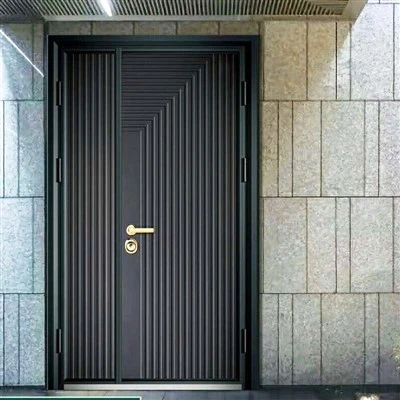
As a supplier of home explosion-proof cast board doors, I often encounter customers with various questions regarding the maintenance and repair of these essential safety features. One of the most frequently asked questions is, "Can a home explosion-proof cast board door be repaired if damaged?" In this blog post, I'll delve into this topic, exploring the factors that determine repairability, the common types of damage, and the repair processes involved.
Understanding Home Explosion-Proof Cast Board Doors
Before we discuss the repairability of these doors, it's crucial to understand what they are and how they function. Home explosion-proof cast board doors are designed to withstand high-pressure blasts and prevent the spread of flames, smoke, and debris in the event of an explosion. They are typically made from high-strength materials such as cast aluminum or steel, which are engineered to resist the forces generated by an explosion.
These doors are commonly used in industrial settings, commercial buildings, and high-security homes. They are an essential safety feature that can protect lives and property in the event of an explosion. However, like any other door, they can be damaged over time due to various factors such as wear and tear, accidents, or improper installation.
Factors Affecting Repairability
The repairability of a home explosion-proof cast board door depends on several factors, including the type and extent of the damage, the age and condition of the door, and the availability of replacement parts. Here are some of the key factors to consider:
Type and Extent of Damage
The type and extent of the damage are the most critical factors in determining whether a door can be repaired. Minor damage such as scratches, dents, or surface rust can often be repaired using simple techniques such as sanding, painting, or filling. However, more severe damage such as structural damage, warping, or damage to the locking mechanism may require more extensive repairs or even replacement of the door.
Age and Condition of the Door
The age and condition of the door also play a significant role in determining its repairability. Older doors may be more prone to damage and may require more extensive repairs or replacement. Additionally, doors that have been poorly maintained or installed may be more difficult to repair and may not function properly even after repairs.
Availability of Replacement Parts
The availability of replacement parts is another important factor to consider. If the damaged parts of the door are no longer available, it may be difficult or impossible to repair the door. In some cases, it may be necessary to replace the entire door if the replacement parts are not available.
Common Types of Damage
Home explosion-proof cast board doors can be damaged in various ways. Here are some of the most common types of damage:
Scratches and Dents
Scratches and dents are the most common types of damage to home explosion-proof cast board doors. They can be caused by everyday use, such as opening and closing the door, or by accidents such as bumps or collisions. Minor scratches and dents can often be repaired using simple techniques such as sanding, filling, and painting.


Surface Rust
Surface rust is another common problem with home explosion-proof cast board doors. It can be caused by exposure to moisture or humidity, especially in areas with high levels of salt or pollution. Surface rust can be removed using a wire brush or sandpaper and then treated with a rust inhibitor to prevent further corrosion.
Structural Damage
Structural damage is a more serious type of damage that can affect the integrity and functionality of the door. It can be caused by severe impacts, such as a car hitting the door, or by exposure to extreme temperatures or pressures. Structural damage may require more extensive repairs or even replacement of the door.
Warping
Warping is another common problem with home explosion-proof cast board doors. It can be caused by changes in temperature or humidity, especially in areas with extreme weather conditions. Warping can cause the door to become misaligned and may prevent it from closing properly. In some cases, warping can be corrected by adjusting the hinges or using a flat iron to straighten the door.
Damage to the Locking Mechanism
Damage to the locking mechanism is another common problem with home explosion-proof cast board doors. It can be caused by wear and tear, improper use, or damage to the key or lock. Damage to the locking mechanism can prevent the door from locking or unlocking properly, which can compromise the security of the home. In some cases, the locking mechanism can be repaired or replaced.
Repair Processes
The repair processes for home explosion-proof cast board doors depend on the type and extent of the damage. Here are some of the common repair processes:
Minor Repairs
Minor repairs such as scratches, dents, and surface rust can often be repaired using simple techniques such as sanding, filling, and painting. Here are the steps involved in minor repairs:
- Clean the Door: Use a mild detergent and water to clean the door and remove any dirt or debris.
- Sand the Damaged Area: Use a fine-grit sandpaper to sand the damaged area to smooth out the surface and remove any rough edges.
- Fill the Dents: Use a body filler to fill the dents and smooth out the surface. Allow the filler to dry completely according to the manufacturer's instructions.
- Sand the Filled Area: Use a fine-grit sandpaper to sand the filled area to match the surrounding surface.
- Prime and Paint the Door: Apply a primer to the repaired area and allow it to dry completely. Then, apply a coat of paint that matches the color of the door. Allow the paint to dry completely before using the door.
Structural Repairs
Structural repairs are more complex and may require the expertise of a professional. Here are the steps involved in structural repairs:
- Inspect the Door: A professional technician will inspect the door to determine the extent of the damage and the best course of action.
- Remove the Door: If necessary, the technician will remove the door from its hinges and take it to a workshop for repairs.
- Repair the Structural Damage: The technician will repair the structural damage using techniques such as welding, brazing, or replacing the damaged parts.
- Reinstall the Door: Once the repairs are complete, the technician will reinstall the door and ensure that it functions properly.
Locking Mechanism Repairs
Repairs to the locking mechanism are also more complex and may require the expertise of a professional. Here are the steps involved in locking mechanism repairs:
- Inspect the Locking Mechanism: A professional locksmith will inspect the locking mechanism to determine the extent of the damage and the best course of action.
- Repair or Replace the Locking Mechanism: If the locking mechanism can be repaired, the locksmith will repair it using techniques such as lubricating the parts, adjusting the springs, or replacing the damaged parts. If the locking mechanism cannot be repaired, the locksmith will replace it with a new one.
- Test the Locking Mechanism: Once the repairs are complete, the locksmith will test the locking mechanism to ensure that it functions properly.
When to Replace the Door
In some cases, it may be more cost-effective or practical to replace the door rather than repair it. Here are some of the situations where it may be necessary to replace the door:
Severe Structural Damage
If the door has suffered severe structural damage, such as a large crack or a broken frame, it may be necessary to replace the door. Structural damage can compromise the integrity and functionality of the door, making it unsafe to use.
Extensive Damage to the Locking Mechanism
If the locking mechanism of the door has been extensively damaged and cannot be repaired, it may be necessary to replace the door. A damaged locking mechanism can compromise the security of the home and make it vulnerable to break-ins.
Outdated or Obsolete Design
If the door is outdated or obsolete, it may be necessary to replace it with a newer model. Newer models of home explosion-proof cast board doors may offer better performance, security, and energy efficiency.
Cost of Repairs
If the cost of repairs is more than 50% of the cost of a new door, it may be more cost-effective to replace the door. In some cases, the cost of repairs may be high due to the availability of replacement parts or the complexity of the repairs.
Conclusion
In conclusion, a home explosion-proof cast board door can be repaired if damaged, depending on the type and extent of the damage, the age and condition of the door, and the availability of replacement parts. Minor damage such as scratches, dents, and surface rust can often be repaired using simple techniques, while more severe damage such as structural damage or damage to the locking mechanism may require more extensive repairs or even replacement of the door.
If you have a damaged home explosion-proof cast board door, it's important to have it inspected by a professional technician to determine the best course of action. At our company, we offer a wide range of home explosion-proof cast board doors, including Single Door Size Villa Explosion Proof Door, Competitive Bullet Proof Steel Pillar Door, and Italy Style Explosion Proof Security Iron Door. We also provide professional repair and maintenance services to ensure that your doors are in top condition.
If you're interested in purchasing a home explosion-proof cast board door or need repair services, please contact us for more information. We'll be happy to assist you with your needs.
References
- "Explosion-Proof Doors: A Guide to Safety and Security." National Fire Protection Association.
- "Home Security: Choosing the Right Explosion-Proof Door." Home Security Magazine.
- "Maintenance and Repair of Explosion-Proof Doors." Industrial Safety Journal.