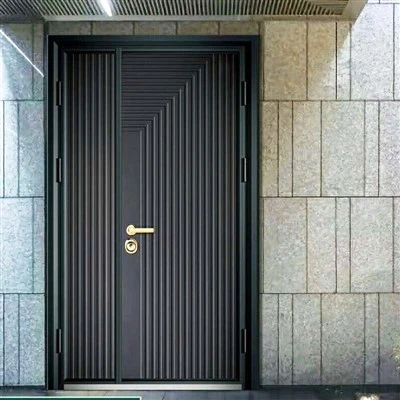
As a supplier of Wrought Iron Art Steel Glass Doors, I understand the frustration that comes with glass cracking in these elegant and sturdy doors. Not only does it compromise the aesthetic appeal of the door, but it also poses a safety risk. Over the years, I've gathered a wealth of knowledge on how to prevent glass from cracking in our wrought iron art steel glass doors. In this blog, I'll share some practical tips and insights to help you keep your doors in pristine condition.
Understanding the Causes of Glass Cracking
Before we delve into prevention methods, it's crucial to understand what causes glass to crack in the first place. There are several factors that can contribute to this problem, including:
Thermal Stress
Glass has a relatively low coefficient of thermal expansion, which means it expands and contracts at a different rate compared to the surrounding materials, such as the wrought iron frame. When exposed to extreme temperature changes, the glass can experience thermal stress, leading to cracks. For example, on a hot summer day, direct sunlight can heat the glass surface, causing it to expand. If the wrought iron frame doesn't expand at the same rate, the glass may crack under the stress.
Physical Impact
Even though glass in our wrought iron art steel glass doors is typically tempered for added strength, it can still crack if it receives a strong physical impact. This could be from a large object hitting the door, or even a small object like a stone or a ball thrown with force. In addition, if the door is slammed shut repeatedly, the impact can also cause stress on the glass over time, leading to cracking.
Poor Installation
Incorrect installation is another common cause of glass cracking. If the glass is not properly aligned or secured in the wrought iron frame, it can be subject to uneven stress. For instance, if the spacers between the glass and the frame are too tight or too loose, it can cause the glass to crack as it is subjected to normal wear and tear.
Preventive Measures
Thermal Stress Management
- Choose the Right Glass Type: Opt for laminated or tempered glass for your wrought iron art steel glass doors. Tempered glass is four to five times stronger than regular glass and is designed to withstand more thermal stress. Laminated glass consists of two or more layers of glass with a plastic interlayer, which provides additional strength and can help prevent thermal cracks.
- Use Insulating Materials: Adding insulating materials to the door can help reduce the impact of temperature changes on the glass. For example, you can install weatherstripping around the door frame to create a better seal, which will help regulate the temperature inside the door and reduce thermal stress on the glass.
- Provide Shade: If possible, provide some form of shade to protect the door from direct sunlight. This can be in the form of a awning or a tree. By reducing the amount of sunlight that hits the door, you can minimize the temperature difference between the glass and the frame, thereby reducing the risk of thermal cracking.
Avoiding Physical Impact
- Install Protective Guards: Consider installing protective guards around the glass in your wrought iron door. These guards can prevent large objects from directly hitting the glass and causing damage. For example, you can install metal bars or grilles in front of the glass to act as a barrier.
- Educate Users: If the door is installed in a high - traffic area, such as a commercial building or a home with children and pets, it's important to educate users about the proper use of the door. Encourage them to open and close the door gently and avoid using the door as a target for throwing objects.
- Regular Maintenance: Inspect the door regularly for signs of damage or wear. Check the frame for any loose parts or sharp edges that could potentially cause damage to the glass. If you notice any issues, address them promptly to prevent further damage.
Proper Installation
- Hire a Professional Installer: To ensure that your wrought iron art steel glass door is installed correctly, it's essential to hire a professional installer with experience in working with these types of doors. A professional installer will know how to properly align and secure the glass in the frame, minimizing the risk of uneven stress.
- Follow Manufacturer's Instructions: Make sure to follow the manufacturer's installation instructions carefully. These instructions are designed to ensure that the door is installed in a way that maximizes the performance and durability of the glass. For example, the instructions may specify the correct type of spacers to use between the glass and the frame.
Our Product Range
At our company, we offer a wide range of Wrought Iron Art Steel Glass Doors to suit different styles and needs. Our Wrought Iron Single Entry Door is perfect for homes or small businesses looking for a classic and elegant entrance. It features high - quality tempered glass that is resistant to cracking and provides excellent security.
For those who need more security and privacy, our Double Glass Wrought Iron Security Door is an ideal choice. The double - glass design not only enhances the security of the door but also provides better insulation, reducing energy costs.
If you're looking for a door that combines functionality and aesthetics, our Wrought Iron Front Door With Screen is a great option. The screen allows for ventilation while still providing protection against insects, and the wrought iron frame adds a touch of elegance to your home.


Contact Us for Procurement
Preventing glass cracking in wrought iron art steel glass doors is essential for maintaining the door's appearance and functionality. We are committed to providing high - quality doors and excellent customer service. If you're interested in purchasing our Wrought Iron Art Steel Glass Doors or have any questions about glass cracking prevention, please feel free to contact us for procurement and further discussion.
References
- "Glass Technology Handbook", by P. W. McMillan.
- "Building Construction Handbook", by Edward Allen and Joseph Iano.
- Industry standards and guidelines related to wrought iron and glass door manufacturing.