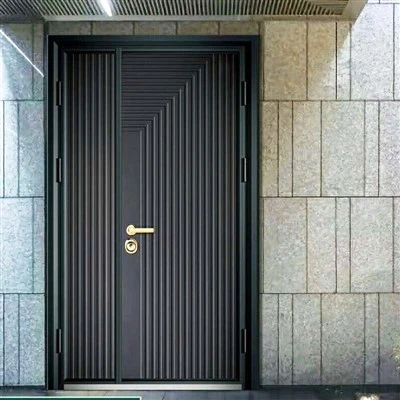
As a supplier of security steel copper doors, I understand the importance of protecting the steel parts of these doors from corrosion. Corrosion not only affects the aesthetic appearance of the doors but also compromises their structural integrity and security features. In this blog post, I will share some effective methods and strategies to prevent the steel parts of security steel copper doors from corroding.
Understanding the Causes of Corrosion
Before we delve into the protection methods, it's crucial to understand what causes corrosion in steel parts. Corrosion is a natural process that occurs when iron or steel reacts with oxygen and moisture in the environment. This reaction forms iron oxide, commonly known as rust. Factors such as high humidity, exposure to saltwater, industrial pollutants, and acidic rain can accelerate the corrosion process.
Selecting High - Quality Steel
The first step in protecting the steel parts of a security steel copper door from corrosion is to start with high - quality steel. When sourcing steel for our doors, we always choose steel with a high resistance to corrosion. For example, stainless steel contains chromium, which forms a thin, protective oxide layer on the surface of the steel. This layer acts as a barrier, preventing oxygen and moisture from reaching the underlying metal and thus reducing the risk of corrosion.
Applying Protective Coatings
One of the most common and effective ways to protect steel from corrosion is by applying protective coatings. There are several types of coatings available, each with its own advantages.
Paint Coatings
Paint is a widely used coating for steel parts. It provides a physical barrier between the steel and the environment. When applying paint to the steel parts of our security steel copper doors, we follow a strict process. First, the steel surface is thoroughly cleaned to remove any dirt, grease, or rust. Then, a primer is applied. The primer helps the paint adhere better to the steel surface and provides an additional layer of corrosion protection. After the primer has dried, one or more layers of top - coat paint are applied. The top - coat not only protects the steel but also gives the door an attractive finish.
Galvanization
Galvanization is another popular method of protecting steel. In this process, a layer of zinc is applied to the steel surface. Zinc is more reactive than steel, so when the coated steel is exposed to the environment, the zinc corrodes first, sacrificing itself to protect the underlying steel. There are two main types of galvanization: hot - dip galvanizing and electro - galvanizing. Hot - dip galvanizing involves dipping the steel into a bath of molten zinc, which results in a thick, durable zinc coating. Electro - galvanizing, on the other hand, uses an electric current to deposit a thin layer of zinc onto the steel surface.
Powder Coating
Powder coating is a modern and environmentally friendly coating method. In powder coating, a dry powder is electrostatically applied to the steel surface. The coated part is then heated, causing the powder to melt and form a smooth, hard - wearing coating. Powder coatings are highly resistant to chipping, scratching, and fading. They also provide excellent corrosion protection and can be customized in terms of color and finish.
Regular Maintenance
Even with protective coatings, regular maintenance is essential to ensure the long - term protection of the steel parts.
Cleaning
Regular cleaning helps remove dirt, dust, and other contaminants that can trap moisture and accelerate corrosion. We recommend using a mild detergent and a soft cloth or sponge to clean the steel parts of the security steel copper door. Avoid using abrasive cleaners or tools, as they can scratch the protective coating and expose the steel to the environment.
Inspection
Periodically inspect the steel parts of the door for any signs of damage to the protective coating or corrosion. If any chips, scratches, or rust spots are found, they should be repaired immediately. For small areas of damage, touch - up paint or a zinc - rich repair compound can be used. For more extensive damage, it may be necessary to re - coat the affected area.
Controlling the Environment
The environment in which the security steel copper door is installed can have a significant impact on the corrosion rate of the steel parts.
Avoiding High - Humidity Areas
High humidity levels can increase the risk of corrosion. If possible, avoid installing the door in areas with high humidity, such as basements or near swimming pools. If the door must be installed in a high - humidity area, consider using a dehumidifier to reduce the moisture content in the air.
Preventing Exposure to Saltwater and Chemicals
Saltwater and certain chemicals can be extremely corrosive to steel. If the door is installed in a coastal area or an industrial environment where it may be exposed to salt spray or chemicals, additional protective measures may be required. For example, a more durable coating or a sacrificial anode can be used.
Using Sacrificial Anodes
In some cases, especially in environments where the risk of corrosion is high, sacrificial anodes can be used to protect the steel parts of the security steel copper door. A sacrificial anode is a more reactive metal, such as magnesium or aluminum, that is electrically connected to the steel. The anode corrodes instead of the steel, protecting the steel from corrosion. Sacrificial anodes need to be periodically replaced as they corrode over time.
Conclusion
Protecting the steel parts of a security steel copper door from corrosion is a multi - faceted process that involves selecting high - quality materials, applying protective coatings, regular maintenance, controlling the environment, and in some cases, using sacrificial anodes. By following these methods, we can ensure that our security steel copper doors not only look good but also maintain their structural integrity and security features over a long period of time.
If you are interested in our Golden Decorate Steel Metal Copper Door, Double Big Size Security Metal Copper Door, or Single Size Big Frame Steel Copper Door, please feel free to contact us for more information and to discuss your purchasing needs. We are committed to providing high - quality security steel copper doors that are well - protected against corrosion.


References
- Jones, D. A. (1992). Principles and Prevention of Corrosion. Prentice Hall.
- Uhlig, H. H., & Revie, R. W. (1985). Corrosion and Corrosion Control. John Wiley & Sons.
- Fontana, M. G. (1986). Corrosion Engineering. McGraw - Hill.