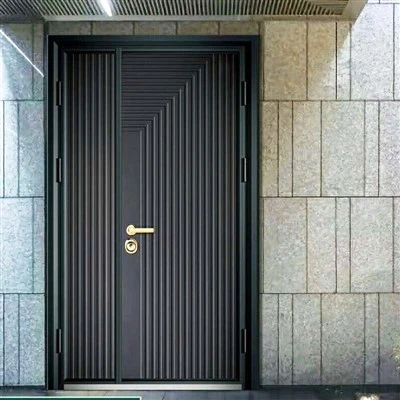
As a seasoned supplier of Transom Entry Main Wrought Iron Doors, I've encountered numerous inquiries about how these stately doors perform in cold climates. It's a valid concern, as cold environments present unique challenges that can impact the functionality, durability, and overall performance of a door. In this blog post, I'll draw on my years of experience and industry knowledge to delve into the performance of Transom Entry Main Wrought Iron Doors in cold climates.
Understanding the Basics of Wrought Iron Doors in Cold Weather
Wrought iron is a classic and robust material known for its strength and durability. It has been used for centuries in various architectural applications, including doors. In cold climates, wrought iron's physical properties play a significant role in its performance.
One of the key advantages of wrought iron is its high thermal mass. This means it can absorb and store heat for an extended period. In cold weather, this property allows the door to retain some warmth inside the building, reducing heat loss. However, it's important to note that wrought iron is also a good conductor of heat, which means it can transfer heat from the inside to the outside if not properly insulated.
Thermal Insulation and Energy Efficiency
The performance of Transom Entry Main Wrought Iron Doors in cold climates heavily depends on their thermal insulation capabilities. Without adequate insulation, these doors can become a major source of heat loss, leading to higher energy bills and a less comfortable living environment.
Most modern Transom Entry Main Wrought Iron Doors are designed with insulation in mind. They often feature a combination of materials, such as glass and insulation panels, to improve their thermal performance. For instance, double - or triple - glazed glass can significantly reduce heat transfer through the door. The air or gas trapped between the glass panes acts as an insulator, slowing down the movement of heat.
When selecting a Transom Entry Main Wrought Iron Door for a cold climate, it's crucial to look for doors with a high Energy Star rating or a low U - factor. The U - factor measures the rate of heat transfer through a building component, with a lower value indicating better insulation.
Resistance to Cold - Related Damage
Cold climates bring a host of potential hazards to doors, including freezing temperatures, snow, ice, and strong winds. Wrought iron doors are generally quite resistant to these elements, but proper maintenance is essential to ensure their longevity.
One of the main concerns in cold weather is the formation of ice and snow on the door. If the door is not designed to allow proper drainage, water can accumulate in cracks and crevices and freeze, causing damage over time. To prevent this, look for doors with well - designed drip edges and proper venting.
Wrought iron is also prone to corrosion, especially in wet and cold conditions. A high - quality powder - coated finish can provide a protective barrier against moisture and rust. Regular inspections and touch - ups of the finish can help maintain the door's resistance to corrosion.
Sealing and Weatherstripping
Effective sealing and weatherstripping are critical for keeping the cold air out and the warm air in. Transom Entry Main Wrought Iron Doors should be installed with high - quality weatherstripping materials that can withstand the rigors of cold weather.
Silicone or rubber weatherstripping is a popular choice as it remains flexible in cold temperatures. It forms a tight seal around the door, preventing drafts and reducing heat loss. Additionally, proper installation of the door is essential to ensure that the weatherstripping functions correctly.
Design Considerations for Cold Climates
The design of the Transom Entry Main Wrought Iron Door can also impact its performance in cold climates. For example, a door with a large transom window can provide natural light, but it can also be a significant source of heat loss if not properly insulated.
When choosing a door design, consider options that balance aesthetics with energy efficiency. For instance, Half Head Wrought Iron Glass Door offers a stylish design while still providing good insulation. The glass can be double - glazed, and the wrought iron frame can be insulated to reduce heat transfer.
Double Arched Doors are another option that can add a touch of elegance to your entryway while performing well in cold climates. The arched design can help to shed snow and ice more easily, reducing the risk of damage.
French Custom Double Entry Wrought Iron Door is also a great choice. These doors often come with advanced insulation features and can be customized to fit your specific needs, including enhanced weatherproofing for cold climates.
Maintenance in Cold Climates
Regular maintenance is key to ensuring the long - term performance of Transom Entry Main Wrought Iron Doors in cold climates. Here are some maintenance tips:
- Cleaning: Remove any snow, ice, or dirt from the door regularly. Use a soft brush or cloth to avoid scratching the finish.
- Inspecting the Finish: Check the powder - coated finish for any signs of damage or peeling. Touch up any areas as needed to prevent corrosion.
- Lubricating Hinges and Locks: Cold weather can cause hinges and locks to become stiff. Lubricate them periodically with a silicone - based lubricant to ensure smooth operation.
- Checking Seals and Weatherstripping: Inspect the weatherstripping for wear and tear. Replace it if necessary to maintain a tight seal.
Customer Testimonials and Case Studies
Over the years, we've received numerous positive feedback from customers who have installed our Transom Entry Main Wrought Iron Doors in cold climates. Many have reported significant improvements in energy efficiency and a more comfortable living environment.
For example, a customer in a rural area with harsh winters installed our French Custom Double Entry Wrought Iron Door. They noticed a noticeable reduction in their heating bills and were impressed with the door's ability to withstand strong winds and heavy snowfall.
Conclusion and Call to Action
In conclusion, Transom Entry Main Wrought Iron Doors can perform exceptionally well in cold climates when properly designed, installed, and maintained. Their strength, durability, and aesthetic appeal make them a popular choice for homeowners in cold regions.
If you're considering purchasing a Transom Entry Main Wrought Iron Door for your home in a cold climate, I encourage you to reach out to us for more information. We have a wide range of door styles and designs to choose from, and our team of experts can help you select the perfect door that meets your needs and budget. Contact us today to start the conversation about your next door purchase.


References
- Building Science Corporation. (2023). Insulation and Weatherization in Cold Climates.
- American Iron and Steel Institute. (2023). Guide to Wrought Iron Products in Harsh Environments.