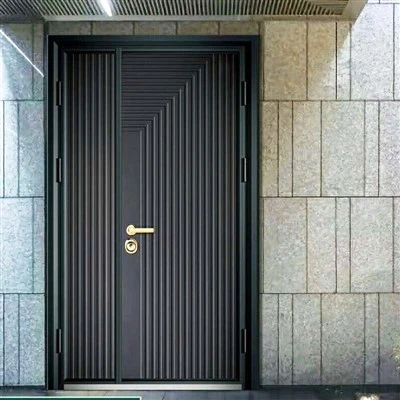
As a supplier of Golden Color Glass Steel Doors with Pillar, I understand the importance of maintaining the aesthetic appeal and functionality of these doors. Stains can be a common issue that may detract from the beauty of these doors over time. In this blog, I will share some effective methods on how to remove stains from a Golden Color Glass Steel Door with Pillar.
Understanding the Types of Stains
Before we delve into the stain - removal methods, it's crucial to understand the different types of stains that can affect your Golden Color Glass Steel Door with Pillar.
- Organic Stains: These are often caused by substances such as food, beverages, or plant residues. For example, if someone spills coffee or juice on the door, it can leave an organic stain. Organic stains are usually easier to identify as they often have a distinct color and may have a visible source.
- Inorganic Stains: These stains can be the result of hard water deposits, rust, or mineral build - up. Hard water stains are common in areas with high mineral content in the water supply. Rust stains may occur if the door has any metal parts that are exposed to moisture for extended periods.
- Oil - Based Stains: Grease, fingerprints, and other oil - based substances can leave stubborn stains on the door. These stains are often shiny and can be difficult to remove with regular cleaning agents.
Preparation Before Stain Removal
Before you start the stain - removal process, it's important to gather the necessary supplies. Here is a list of items you may need:


- Soft microfiber cloths: These are gentle on the glass and steel surface and won't scratch it.
- Mild dish soap: Choose a non - abrasive and non - corrosive dish soap.
- White vinegar: It's a natural and effective cleaning agent.
- Baking soda: This can be used as a mild abrasive for tougher stains.
- Toothbrush: A soft - bristled toothbrush can be useful for cleaning hard - to - reach areas.
- Spray bottle: To mix and apply cleaning solutions.
Removing Organic Stains
- For Fresh Stains:
- First, blot the stain with a clean, dry microfiber cloth to remove as much of the liquid as possible. Do not rub, as this can spread the stain.
- Mix a small amount of mild dish soap with warm water in a spray bottle. Spray the solution onto the stain and let it sit for a few minutes.
- Gently wipe the stain with a soft microfiber cloth. Rinse the area with clean water and dry it with a dry cloth.
- For Set - In Stains:
- Create a paste by mixing baking soda and water. The consistency should be thick enough to stick to the stain.
- Apply the paste to the stain and let it sit for about 15 - 20 minutes.
- Use a soft - bristled toothbrush to gently scrub the stain in a circular motion.
- Rinse the area thoroughly with clean water and dry it with a microfiber cloth.
Removing Inorganic Stains
- Hard Water Stains:
- Fill a spray bottle with equal parts of white vinegar and water.
- Spray the solution onto the hard water stains and let it sit for 10 - 15 minutes. The acidic nature of vinegar helps to dissolve the mineral deposits.
- Wipe the area with a soft microfiber cloth. If the stains are still present, you can use a soft - bristled toothbrush to gently scrub the area.
- Rinse the door with clean water and dry it to prevent new hard water stains from forming.
- Rust Stains:
- If the rust stain is on the steel part of the door, you can use a commercial rust remover. Make sure to follow the instructions on the product label carefully.
- For a natural alternative, you can make a paste with lemon juice and salt. Apply the paste to the rust stain and let it sit for a few hours.
- Gently scrub the stain with a soft - bristled toothbrush and then rinse the area with clean water. Dry the door thoroughly to prevent further rusting.
Removing Oil - Based Stains
- Fingerprints and Light Grease:
- Dampen a microfiber cloth with a small amount of rubbing alcohol.
- Gently wipe the oil - based stains with the cloth. The alcohol helps to dissolve the oil.
- After wiping, rinse the area with clean water and dry it with a dry cloth.
- Heavy Grease Stains:
- Mix a small amount of degreaser with water in a spray bottle according to the product instructions.
- Spray the degreaser solution onto the heavy grease stain and let it sit for a few minutes.
- Use a soft microfiber cloth to wipe the stain away. Rinse the area with clean water and dry it.
Special Considerations for the Golden Color
When cleaning a Golden Color Glass Steel Door with Pillar, it's important to be careful not to damage the golden finish. Avoid using abrasive cleaners or scrubbing too hard, as this can scratch or dull the finish. Always test any new cleaning solution on a small, inconspicuous area of the door first to make sure it doesn't cause any discoloration or damage.
Preventive Measures
To keep your Golden Color Glass Steel Door with Pillar looking its best, here are some preventive measures you can take:
- Regular cleaning: Wipe the door with a soft, dry cloth regularly to remove dust and dirt.
- Use doormats: Place doormats at the entrance to reduce the amount of dirt and debris that is tracked onto the door.
- Protect from harsh elements: If possible, install a porch or awning to protect the door from direct sunlight, rain, and snow.
Other Related Products
In addition to the Golden Color Glass Steel Door with Pillar, we also offer a variety of other high - quality doors. Check out our Exterior Arched French Door, which adds an elegant touch to any exterior. Our Wrought Iron Exterior Double Door provides both security and style. And for a more luxurious option, the Arched Top Golden Color Double Wrought Iron Door is a great choice.
Contact for Purchase and Negotiation
If you are interested in our Golden Color Glass Steel Door with Pillar or any of our other products, we encourage you to contact us for purchase and negotiation. Our team of experts is ready to assist you in finding the perfect door for your needs.
References
- Cleaning and Maintenance Guide for Glass and Steel Products, Industry Standards Publication
- Home Improvement Magazine, Tips on Removing Stains from Different Surfaces