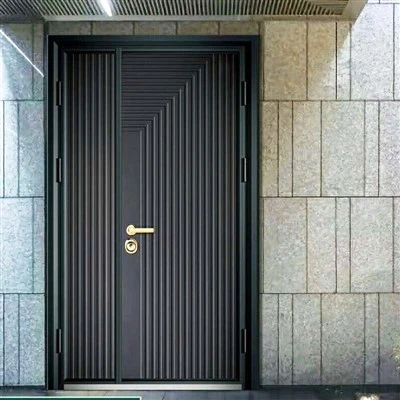
As a supplier of Aluminum Art Splicing Steel Glass Gates, I am often asked about the environmental benefits of these innovative gates. In this blog post, I will delve into the various ways in which our Aluminum Art Splicing Steel Glass Gates contribute to a more sustainable environment.
1. Material Sustainability
Aluminum
Aluminum is one of the most sustainable metals available. It is the third most abundant element in the Earth's crust, which means it has a relatively low impact on natural resources compared to rarer metals. Moreover, aluminum is highly recyclable. Recycling aluminum requires only about 5% of the energy needed to produce new aluminum from bauxite ore. This significant energy savings translates into a substantial reduction in greenhouse gas emissions.
When an Aluminum Art Splicing Steel Glass Gate reaches the end of its useful life, the aluminum components can be easily recycled and used to create new products, including more gates. This closed - loop recycling system helps to conserve natural resources and reduce waste sent to landfills.
Steel
Steel is another key material in our gates. Similar to aluminum, steel is also highly recyclable. In fact, steel is one of the most recycled materials in the world. Recycling steel reduces the need for virgin iron ore extraction, which in turn reduces the environmental impact associated with mining activities such as habitat destruction, soil erosion, and water pollution.
The recycling process for steel also consumes less energy compared to producing new steel from raw materials. By using recycled steel in our Aluminum Art Splicing Steel Glass Gates, we are contributing to a more circular economy and reducing the overall carbon footprint of our products.
Glass
Glass is a versatile and sustainable material. It is made from natural materials such as sand, soda ash, and limestone, which are abundant and readily available. Glass is also infinitely recyclable without losing its quality or purity. Recycling glass reduces the energy required to melt new glass, as well as the amount of raw materials needed.
In our Aluminum Art Splicing Steel Glass Gates, the glass components can be recycled at the end of the gate's life, further reducing waste and conserving resources.
2. Energy Efficiency
Insulation
The combination of aluminum, steel, and glass in our gates offers excellent insulation properties. Aluminum frames can be designed with thermal breaks, which are insulating materials placed between the inner and outer parts of the frame. These thermal breaks prevent heat transfer through the frame, reducing energy loss in both hot and cold climates.
The glass used in our gates can also be energy - efficient. Low - emissivity (Low - E) glass, for example, has a special coating that reflects heat back into the building during the winter and reflects solar heat during the summer. This helps to maintain a comfortable indoor temperature, reducing the need for excessive heating and cooling. As a result, homeowners can save on energy costs and reduce their carbon emissions.


Natural Light
Our Aluminum Art Splicing Steel Glass Gates allow for ample natural light to enter the property. By maximizing the use of natural light, homeowners can reduce their reliance on artificial lighting during the day. This not only saves energy but also has positive effects on the occupants' well - being, as exposure to natural light has been linked to improved mood and productivity.
3. Durability and Longevity
Resistance to Corrosion
Aluminum and steel are both known for their durability. Aluminum has a natural oxide layer that protects it from corrosion, making it suitable for outdoor applications. Steel can be coated or galvanized to enhance its corrosion resistance. The glass used in our gates is also highly resistant to scratches, stains, and weathering.
The combination of these durable materials means that our Aluminum Art Splicing Steel Glass Gates have a long lifespan. They can withstand harsh weather conditions, such as rain, snow, and extreme temperatures, without deteriorating quickly. This reduces the need for frequent replacements, which in turn reduces the environmental impact associated with manufacturing and disposing of new gates.
Low Maintenance
Our gates require minimal maintenance. Unlike some traditional gates made of wood, which may need to be painted or stained regularly, our Aluminum Art Splicing Steel Glass Gates can be easily cleaned with mild soap and water. This low - maintenance feature not only saves homeowners time and money but also reduces the use of chemicals and resources associated with gate maintenance.
4. Aesthetic Appeal and Landscaping
Integration with Surroundings
The unique design of our Aluminum Art Splicing Steel Glass Gates can enhance the aesthetic appeal of a property. They can be customized to match the architectural style of the building and the surrounding landscape. By adding an attractive gate, homeowners may be more inclined to invest in landscaping and outdoor living spaces.
Well - designed landscaping can have significant environmental benefits. Trees and plants help to absorb carbon dioxide, reduce air pollution, and provide habitat for wildlife. They also help to regulate the temperature and humidity of the surrounding area, reducing the urban heat island effect.
Product Portfolio and Further Exploration
If you are interested in exploring more of our products, we also offer a variety of wrought iron doors. Check out our Wrought Iron Front Door With Screen, Square Top Wrought Iron Entry Door with Window, and Double Entry Doors With Arched Transom.
Conclusion and Call to Action
In conclusion, our Aluminum Art Splicing Steel Glass Gates offer numerous environmental benefits. From the sustainable materials used in their construction to their energy - efficient design and long lifespan, these gates are a great choice for homeowners who are conscious about the environment.
If you are interested in purchasing an Aluminum Art Splicing Steel Glass Gate for your property, we invite you to contact us for a consultation. Our team of experts can help you choose the right gate for your needs and provide you with more information about the environmental features of our products.
References
- "Recycling of Aluminum: A Review of Current and Future Trends" by Smith, J. (2020)
- "The Sustainability of Steel: A Global Perspective" by Johnson, R. (2019)
- "Energy - Efficient Glass: Technology and Applications" by Brown, S. (2018)