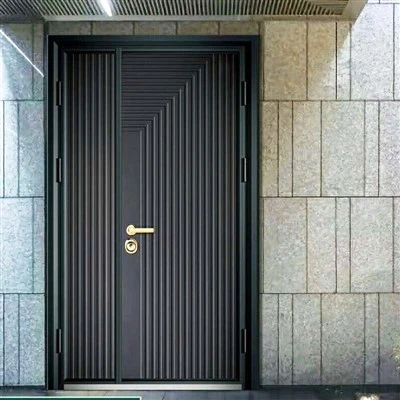
Aluminum courtyard gates have become a popular choice for homeowners and businesses alike due to their durability, aesthetics, and relatively low maintenance. As a leading aluminum courtyard gate supplier, I often receive inquiries about the corrosion resistance of these gates. In this blog post, I will delve into the factors that contribute to the corrosion resistance of aluminum courtyard gates, discuss the different types of corrosion that can affect them, and provide tips on how to maintain their corrosion resistance over time.
The Science Behind Aluminum's Corrosion Resistance
Aluminum is a highly reactive metal that readily forms a thin, protective oxide layer when exposed to air. This oxide layer, composed of aluminum oxide (Al₂O₃), is extremely stable and adheres tightly to the surface of the aluminum. It acts as a barrier, preventing further oxidation and protecting the underlying metal from corrosion. This natural oxide layer is what gives aluminum its inherent corrosion resistance.


The thickness and quality of the oxide layer play a crucial role in determining the corrosion resistance of aluminum. A thicker and more uniform oxide layer provides better protection against corrosion. Factors such as the chemical composition of the aluminum alloy, the surface finish, and the environmental conditions can all affect the formation and stability of the oxide layer.
Types of Corrosion Affecting Aluminum Courtyard Gates
While aluminum is generally resistant to corrosion, there are several types of corrosion that can occur under certain conditions. Understanding these types of corrosion can help you take appropriate measures to prevent or mitigate them.
Pitting Corrosion
Pitting corrosion is a localized form of corrosion that occurs when the protective oxide layer is damaged or disrupted. Small pits or holes form on the surface of the aluminum, which can penetrate deep into the metal over time. Pitting corrosion is often caused by exposure to chloride ions, such as those found in saltwater or de-icing salts. To prevent pitting corrosion, it is important to keep the gate clean and dry, especially in coastal areas or regions where de-icing salts are used.
Galvanic Corrosion
Galvanic corrosion occurs when two dissimilar metals are in contact with each other in the presence of an electrolyte, such as water. The more reactive metal (the anode) corrodes at an accelerated rate, while the less reactive metal (the cathode) is protected. In the case of aluminum courtyard gates, galvanic corrosion can occur if the gate is in contact with other metals, such as steel or copper, without proper insulation. To prevent galvanic corrosion, it is important to use non-conductive insulation materials between the aluminum gate and other metals.
Stress Corrosion Cracking
Stress corrosion cracking (SCC) is a form of corrosion that occurs when a metal is exposed to a combination of tensile stress and a corrosive environment. SCC can cause cracks to form in the aluminum, which can lead to structural failure. SCC is often associated with high-strength aluminum alloys and is more likely to occur in environments with high humidity or exposure to certain chemicals. To prevent SCC, it is important to use appropriate aluminum alloys and to avoid subjecting the gate to excessive stress.
Factors Affecting the Corrosion Resistance of Aluminum Courtyard Gates
Several factors can affect the corrosion resistance of aluminum courtyard gates. Understanding these factors can help you choose the right gate for your needs and take appropriate measures to maintain its corrosion resistance over time.
Aluminum Alloy
The type of aluminum alloy used in the gate can have a significant impact on its corrosion resistance. Different aluminum alloys have different chemical compositions and properties, which can affect their ability to form a protective oxide layer and resist corrosion. For example, aluminum alloys that contain copper or magnesium are more prone to corrosion than those that contain only aluminum and silicon. As a supplier, we offer a range of aluminum alloys with different corrosion resistance properties to meet the needs of our customers.
Surface Finish
The surface finish of the aluminum courtyard gate can also affect its corrosion resistance. A smooth, polished surface is less likely to trap dirt and moisture, which can reduce the risk of corrosion. Additionally, a protective coating, such as powder coating or anodizing, can provide an extra layer of protection against corrosion. Powder coating is a popular choice for aluminum courtyard gates because it is durable, resistant to chipping and scratching, and available in a wide range of colors. Anodizing is another option that can enhance the corrosion resistance of the gate by creating a thicker, more durable oxide layer on the surface of the aluminum.
Environmental Conditions
The environmental conditions in which the aluminum courtyard gate is installed can also affect its corrosion resistance. Gates installed in coastal areas or regions with high humidity are more likely to be exposed to saltwater and moisture, which can increase the risk of corrosion. Similarly, gates installed in industrial areas or regions with high levels of air pollution may be exposed to chemicals and pollutants that can damage the protective oxide layer and cause corrosion. To protect the gate from the effects of the environment, it is important to choose a gate with appropriate corrosion resistance properties and to take appropriate measures to maintain its surface finish.
Maintaining the Corrosion Resistance of Aluminum Courtyard Gates
Proper maintenance is essential for maintaining the corrosion resistance of aluminum courtyard gates. Here are some tips to help you keep your gate in good condition:
Regular Cleaning
Regular cleaning is the most important step in maintaining the corrosion resistance of your aluminum courtyard gate. Use a mild detergent and water to clean the gate, and avoid using abrasive cleaners or tools that can scratch the surface. Rinse the gate thoroughly with water after cleaning to remove any soap residue.
Inspect the Gate Regularly
Inspect the gate regularly for signs of corrosion, such as rust spots, pits, or cracks. If you notice any signs of corrosion, take immediate action to address the problem. Depending on the severity of the corrosion, you may need to clean the affected area, apply a protective coating, or replace the damaged section of the gate.
Lubricate the Hinges and Hardware
Lubricate the hinges and hardware of the gate regularly to prevent them from sticking or rusting. Use a silicone-based lubricant or a wax-based lubricant that is specifically designed for use on aluminum.
Protect the Gate from the Elements
If possible, install the gate in a shaded area or under a covered porch to protect it from the sun, rain, and snow. If the gate is exposed to the elements, consider applying a protective coating, such as a clear sealant or a wax-based protectant, to help prevent corrosion.
Our Aluminum Courtyard Gate Products
As a leading aluminum courtyard gate supplier, we offer a wide range of high-quality gates that are designed to provide excellent corrosion resistance. Our gates are available in a variety of styles and designs, including the Park Car Aluminum Courtyard Door, the Classical Design Aluminum Courtyard Gate, and the Full Panel Type Aluminum Courtyard Door.
Our gates are made from high-quality aluminum alloys that are specifically selected for their corrosion resistance properties. We use advanced manufacturing techniques and processes to ensure that our gates are strong, durable, and able to withstand the elements. Additionally, our gates are available with a variety of surface finishes, including powder coating and anodizing, to provide an extra layer of protection against corrosion.
Contact Us for More Information
If you are interested in learning more about the corrosion resistance of our aluminum courtyard gates or if you would like to discuss your specific needs and requirements, please contact us. Our team of experts is available to answer your questions and provide you with the information and support you need to make an informed decision. We look forward to working with you to find the perfect aluminum courtyard gate for your home or business.
References
- ASM Handbook, Volume 13B: Corrosion: Materials. ASM International, 2005.
- Aluminum Association. Aluminum Corrosion. Retrieved from [Website URL]
- Corrosionpedia. Types of Corrosion in Aluminum. Retrieved from [Website URL]