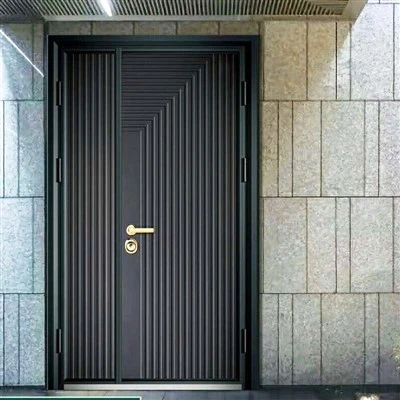
Moisture resistance is a critical factor when it comes to the durability and performance of doors, especially for single size big frame steel copper doors. As a supplier of these high - end doors, I understand the importance of this characteristic and am eager to share in - depth knowledge about it.
The Significance of Moisture Resistance
Moisture can cause a variety of problems for doors. When a door is exposed to high humidity or direct contact with water, it can lead to corrosion, warping, and the growth of mold and mildew. For single size big frame steel copper doors, these issues are not only aesthetically unappealing but can also compromise the structural integrity of the door.
Corrosion is a major concern. Steel, which is often used as the frame material in these doors, is susceptible to rust when in contact with moisture. Rust can weaken the frame, making the door less secure and more difficult to operate. Copper, on the other hand, is more resistant to corrosion than steel, but it can still develop a patina over time when exposed to moisture and certain environmental elements. While a patina can sometimes be considered an aesthetic feature, excessive corrosion can damage the copper surface and affect its long - term performance.
Warping is another problem caused by moisture. When the door absorbs moisture, the wood components (if any) or the metal parts can expand unevenly. This uneven expansion can cause the door to warp, resulting in gaps around the door frame, difficulty in closing and locking the door, and reduced energy efficiency.
Mold and mildew growth not only look unsightly but can also pose health risks. They thrive in damp environments and can grow on the surface of the door, especially in areas that are not well - ventilated. This can be a particular concern for homeowners, as mold spores can be released into the air and cause respiratory problems.
Factors Affecting the Moisture Resistance of Single Size Big Frame Steel Copper Doors
Material Selection
The choice of materials plays a crucial role in determining the moisture resistance of the door. High - quality steel with a proper protective coating can significantly enhance its resistance to rust. For example, galvanized steel is coated with a layer of zinc, which acts as a sacrificial anode, protecting the steel from corrosion. The zinc layer corrodes first, preventing the underlying steel from being exposed to moisture and oxygen.
Copper is naturally more resistant to corrosion than many other metals. Its ability to form a protective patina helps to slow down the corrosion process. However, the quality of the copper also matters. Pure copper or high - grade copper alloys are more likely to have better moisture - resistant properties.
If the door has wooden components, the type of wood used is important. Hardwoods such as teak, mahogany, and oak are generally more resistant to moisture than softwoods. These hardwoods have a denser structure and contain natural oils that make them less prone to water absorption.
Manufacturing Processes
The manufacturing processes also impact the moisture resistance of the door. Proper welding and sealing are essential. Welds should be smooth and free of cracks, as cracks can provide a pathway for moisture to penetrate the door frame. Sealing around the edges of the door, between the different components (such as the steel frame and the copper panels), and around the glass (if there is any) helps to prevent moisture from seeping in.


Surface treatments can also improve moisture resistance. For example, powder coating the steel frame can provide an additional layer of protection against moisture and corrosion. The powder coating creates a durable, smooth finish that is resistant to scratches and chipping, further safeguarding the steel from the elements.
Design Features
The design of the door can influence its moisture resistance. A well - designed door should have proper drainage channels to allow any water that does get on the door to drain away quickly. For example, the bottom of the door frame can be designed with sloped edges or small holes to direct water out of the frame.
Overhangs or awnings above the door can also help to protect it from direct exposure to rain and snow. These features can deflect water away from the door, reducing the amount of moisture it is exposed to.
Testing the Moisture Resistance of Single Size Big Frame Steel Copper Doors
As a supplier, we conduct various tests to ensure the moisture resistance of our doors. One common test is the water immersion test. In this test, a sample of the door is submerged in water for a specified period of time. After the immersion, the door is inspected for signs of water penetration, corrosion, or warping.
Another test is the humidity chamber test. The door is placed in a chamber with controlled humidity levels for an extended period. This simulates the conditions of a high - humidity environment and allows us to observe how the door performs over time. We measure factors such as the change in weight (which can indicate water absorption), the appearance of the surface (for signs of corrosion or mold growth), and the functionality of the door (such as ease of opening and closing).
Our Solutions for Enhanced Moisture Resistance
At our company, we take several steps to ensure that our single size big frame steel copper doors have excellent moisture resistance. We source the highest - quality materials from trusted suppliers. Our steel is galvanized and powder - coated, and our copper is of a high - grade alloy.
We use advanced manufacturing techniques to ensure proper welding and sealing. Our skilled craftsmen pay close attention to every detail during the production process, ensuring that there are no gaps or cracks that could allow moisture to enter.
In addition, we offer a range of design options that enhance moisture resistance. Our doors can be customized with drainage channels, overhangs, and other features to protect them from the elements.
Related Product Links
If you are interested in exploring other types of doors, we also offer a variety of options, including the Half Circle Round Wood Copper Glass Door, the Exterior Security Metal Copper Glass Door, and the Elegant Doorhead Steel Copper Door.
Conclusion and Call to Action
Moisture resistance is a vital characteristic of single size big frame steel copper doors. By understanding the factors that affect moisture resistance and taking appropriate measures during material selection, manufacturing, and design, we can ensure that our doors are durable, functional, and aesthetically pleasing.
If you are in the market for a high - quality single size big frame steel copper door with excellent moisture - resistant properties, we invite you to contact us for more information. Our team of experts is ready to assist you in selecting the right door for your needs and to answer any questions you may have. We look forward to the opportunity to work with you and provide you with a door that will enhance the security, beauty, and functionality of your property.
References
- "Corrosion of Metals in Atmospheric Environments" - A research paper on metal corrosion in different environmental conditions.
- "Wood Properties and Their Influence on Moisture Resistance" - A study on the moisture - resistant properties of different types of wood.
- "Manufacturing Processes for High - Performance Doors" - An industry report on the best manufacturing practices for doors to enhance their durability and performance.