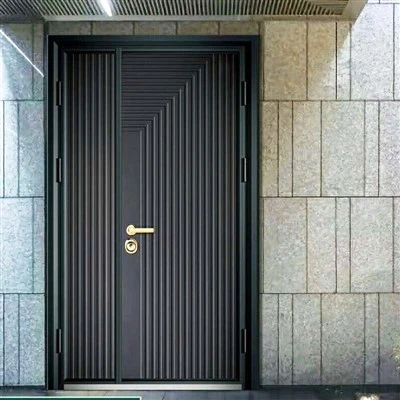
When it comes to window wrought iron front doors, the choice of glass is a crucial factor that not only affects the aesthetic appeal but also the functionality and safety of the door. As a supplier of Window Wrought Iron Front Doors, I have encountered numerous inquiries regarding the types of glass suitable for these elegant entrances. In this blog post, I will delve into the various types of glass commonly used in window wrought iron front doors, their characteristics, and the considerations for making the right choice.
1. Float Glass
Float glass is one of the most basic and widely used types of glass in the construction industry. It is produced by floating molten glass on a bed of molten tin, which results in a smooth and uniform surface. Float glass is relatively inexpensive and offers good clarity, making it a popular choice for window wrought iron front doors.

Characteristics
- Clarity: Float glass provides excellent optical clarity, allowing for a clear view of the outside while maintaining the aesthetic appeal of the wrought iron design.
- Versatility: It can be easily cut, shaped, and tempered to meet the specific requirements of the door design.
- Cost - effective: Compared to other types of glass, float glass is relatively affordable, making it a budget - friendly option for many customers.
However, float glass has its limitations. It is relatively thin and not as strong as some other types of glass, which means it may be more susceptible to breakage. Additionally, it offers limited insulation properties, which can lead to energy loss in extreme weather conditions.
2. Tempered Glass
Tempered glass is a type of safety glass that is widely used in window wrought iron front doors. It is created by heating float glass to a high temperature and then rapidly cooling it, which increases its strength and durability.
Characteristics
- Strength: Tempered glass is approximately four times stronger than float glass of the same thickness. This makes it more resistant to impact and breakage, providing an added layer of security for the home.
- Safety: When tempered glass breaks, it shatters into small, granular pieces rather than sharp shards, reducing the risk of injury. This is especially important for front doors, where there is a higher likelihood of accidental impact.
- Thermal resistance: Tempered glass has better thermal resistance than float glass, which can help to reduce energy consumption by keeping the interior of the home warmer in the winter and cooler in the summer.
Tempered glass is a popular choice for customers who prioritize safety and durability. It is often used in areas where there is a higher risk of impact, such as near high - traffic areas or in homes with children or pets.
3. Laminated Glass
Laminated glass consists of two or more layers of glass bonded together with a layer of polyvinyl butyral (PVB) interlayer. This type of glass is commonly used in window wrought iron front doors for its enhanced safety and security features.
Characteristics
- Security: The PVB interlayer holds the glass together when it breaks, preventing it from shattering and providing an additional barrier against intruders. Even if the glass is cracked, it remains intact, making it more difficult for someone to gain entry through the door.
- Sound insulation: Laminated glass can significantly reduce noise transmission, creating a quieter and more peaceful indoor environment. This is particularly beneficial for homes located near busy streets or noisy areas.
- UV protection: The PVB interlayer can block a large percentage of ultraviolet (UV) rays, which helps to protect the interior of the home from fading and damage caused by sunlight.
Laminated glass is a more expensive option compared to float and tempered glass, but its added security and functionality make it a worthwhile investment for many customers.
4. Insulated Glass Units (IGUs)
Insulated glass units, also known as double - or triple - glazed windows, consist of two or three panes of glass separated by a sealed air or gas - filled space. IGUs are commonly used in window wrought iron front doors to improve energy efficiency.
Characteristics
- Energy efficiency: The air or gas - filled space between the glass panes acts as an insulator, reducing heat transfer through the door. This can lead to significant energy savings by reducing the need for heating and cooling.
- Condensation control: IGUs help to prevent condensation from forming on the interior surface of the glass, which can improve visibility and prevent damage to the door and surrounding areas.
- Noise reduction: Similar to laminated glass, IGUs can also provide good sound insulation, creating a more comfortable indoor environment.
IGUs can be made with different types of glass, such as float, tempered, or laminated glass, depending on the specific requirements of the customer.
Considerations for Choosing the Right Glass
When choosing the type of glass for a window wrought iron front door, several factors should be considered:
- Location: If the door is located in an area with high traffic or a high risk of impact, tempered or laminated glass may be the best choice for safety reasons. For homes in noisy areas, laminated glass or IGUs can provide better sound insulation.
- Climate: In areas with extreme temperatures, IGUs can help to improve energy efficiency and reduce heating and cooling costs. If the door is exposed to direct sunlight, laminated glass can provide UV protection.
- Budget: The cost of the glass is an important consideration. Float glass is the most affordable option, while laminated glass and IGUs are more expensive. However, the long - term benefits of energy savings and increased security may justify the higher cost.
- Aesthetic preferences: The type of glass should complement the overall design of the wrought iron door. Some customers may prefer the clear, unobstructed view provided by float or tempered glass, while others may opt for decorative glass options for a more unique look.
Our Product Range
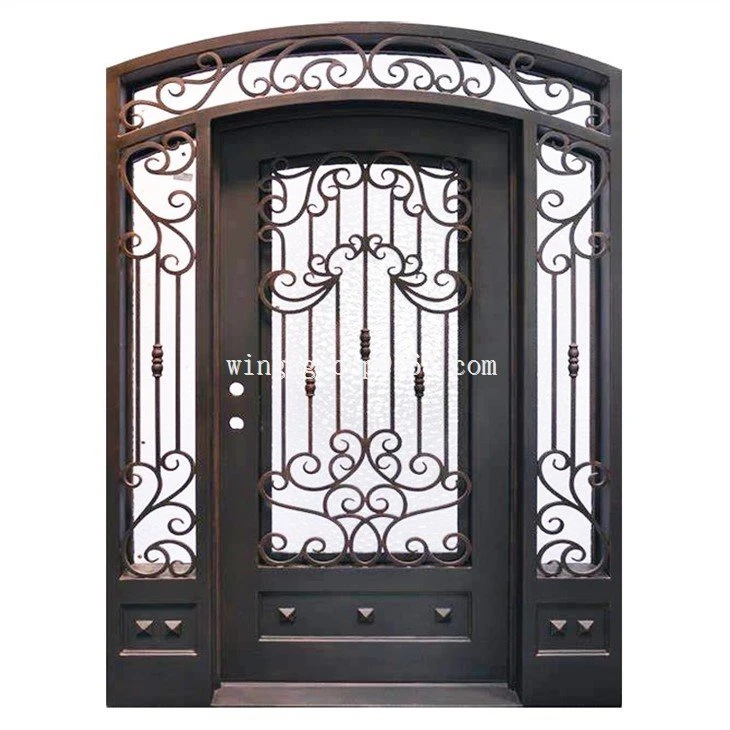
At our company, we offer a wide range of window wrought iron front doors with different types of glass options to meet the diverse needs of our customers. Whether you are looking for a Sidelight Front Entry Double Custom Wrought Iron Door with clear tempered glass for a modern look or a with Transom Entry Main Wrought Iron Door with laminated glass for enhanced security, we have the perfect solution for you. We also offer the Antique Brown Color Splicing Steel Glass Door, which combines the beauty of wrought iron with the functionality of high - quality glass.
Contact Us for Purchase and Negotiation
If you are interested in our window wrought iron front doors and would like to discuss your specific requirements, please feel free to contact us. Our team of experts is ready to assist you in choosing the right type of glass and door design for your home. We can provide detailed product information, pricing, and installation services to ensure a seamless purchasing experience.
References
- "Glass in Building" by the National Glass Association.
- "Handbook of Glass Properties" edited by W. A. Weyl and E. R. Stookey.
- Technical documents from glass manufacturers such as Pilkington and Saint - Gobain.