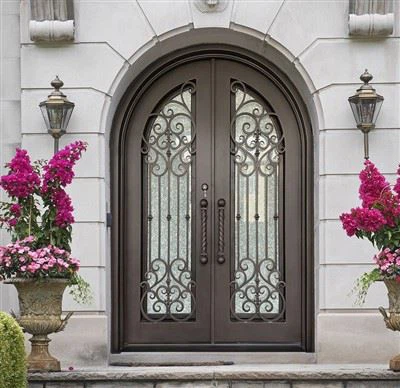
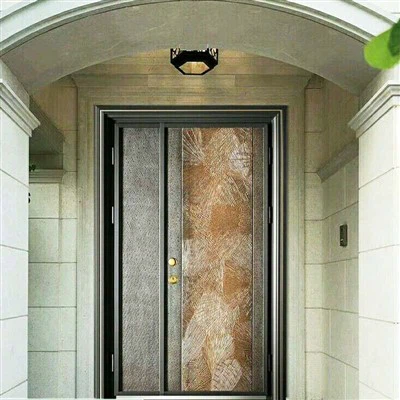
Steel doors and metal doors have some differences in material composition, performance characteristics, manufacturing processes, appearance effects and application scenarios. The specific analysis is as follows:

Material Composition
Steel Door: Mainly made of steel, which is an alloy of iron and carbon, usually with a relatively high carbon content. Sometimes, other elements like manganese, silicon, chromium, nickel may be added to enhance certain properties of the steel, such as hardness, corrosion resistance and toughness.
Metal Door: The material range is broader, including not only steel but also other metals and their alloys, such as aluminum, copper, zinc alloy, stainless steel (which can also be considered a special type of steel but is often classified separately due to its unique properties). Metal doors can be made from a single metal or a combination of different metals.
Performance Characteristics
Steel Door: Generally has high strength and hardness, which can provide good security and anti-theft performance. It has certain resistance to impact and deformation. However, ordinary steel is prone to rust in humid environments if not properly treated and maintained.
Metal Door: The performance varies depending on the specific metal used. For example, aluminum doors are lightweight, have good corrosion resistance, and are easy to process and shape, but their strength may be relatively lower than steel doors. Copper doors have excellent corrosion resistance and decorative properties, with a luxurious appearance, but are relatively expensive. Stainless steel doors have strong corrosion resistance and high strength, combining the advantages of both steel and anti-corrosion performance.
Manufacturing Process
Steel Door: Usually involves processes such as stamping, welding, and painting. The steel plates are cut and stamped into the required shape, and then welded together. After that, surface treatments like painting or electroplating are carried out to prevent rust and improve the appearance.
Metal Door: The manufacturing process of metal doors is diverse. Besides the common processes like stamping and welding, for some metal doors with complex shapes or high decorative requirements, processes such as forging, casting, and polishing may be used. For example, some high-end copper doors may use forging technology to create intricate patterns and textures.
Appearance and Decoration
Steel Door: The appearance is relatively simple and practical, often with a flat surface and simple lines. Most are painted in colors like black, gray, or brown. Although it can be decorated with some patterns and textures through painting or embossing, the overall decorative effect is relatively simple compared to some metal doors.
Metal Door: Metal doors offer more diverse appearance options. Aluminum doors can be anodized or powder-coated in a variety of colors and finishes. Copper doors have a unique luster and color that exudes a sense of luxury and elegance, and can be decorated with various handcrafted or engraved patterns. Stainless steel doors can have a shiny or matte finish, and can also be combined with glass and other materials to create a modern and stylish look.
Application Scenarios
Steel Door: Commonly used in places where security and durability are the main concerns, such as residential and commercial building entrances, warehouses, factories, and garages. They are also widely used in affordable housing and some public facilities due to their relatively low cost and good performance.
Metal Door: Due to the variety of materials and performance characteristics, metal doors have a wide range of applications. Aluminum doors are often used in interior decoration, balconies, and bathroom partitions due to their lightweight and corrosion-resistant properties. Copper doors are mostly used in high-end villas, luxury hotels, and commercial buildings to show high-end atmosphere. Stainless steel doors are suitable for environments with high hygiene and anti-corrosion requirements, such as hospitals, food processing plants, as well as some modern architectural facades and entrances.